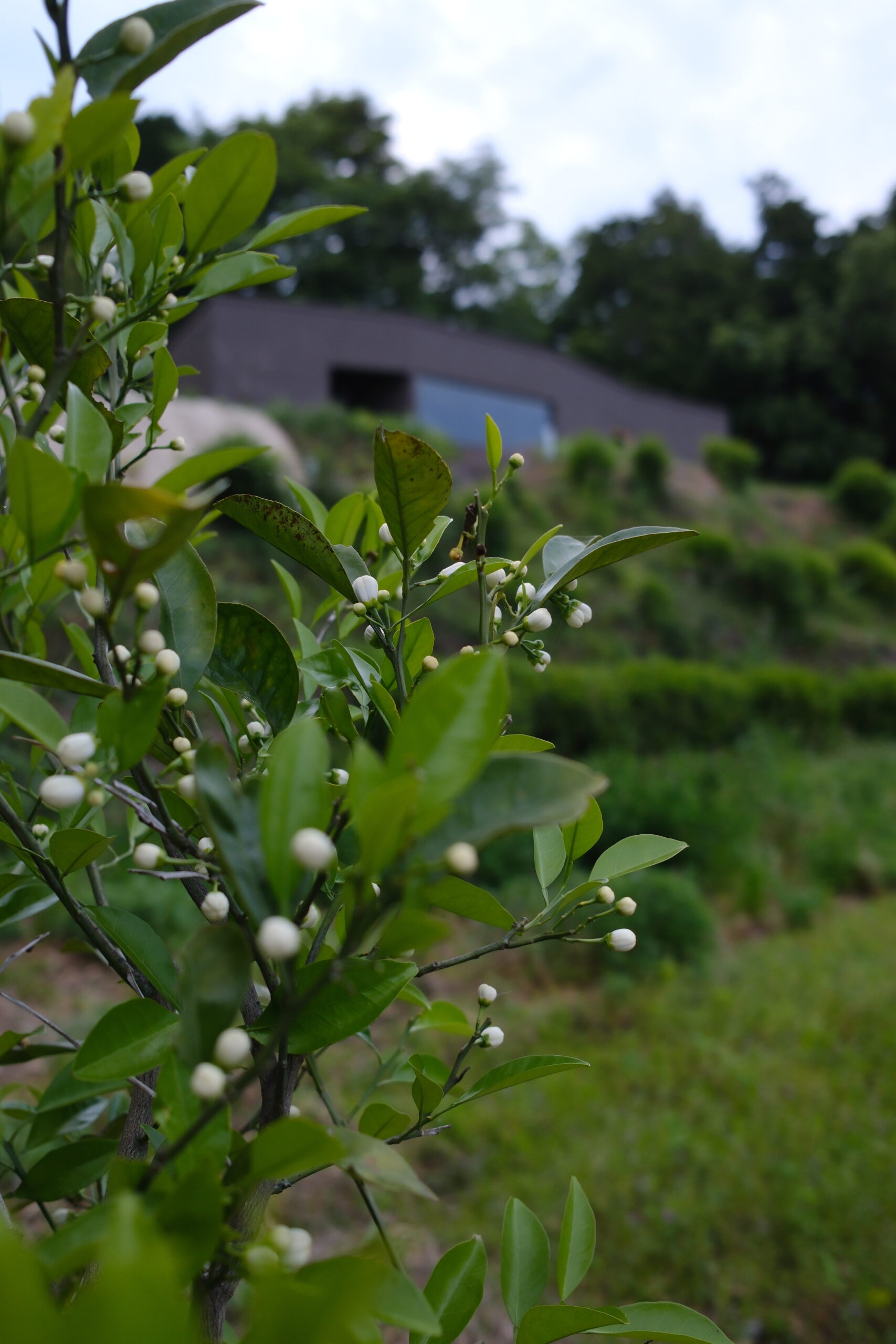
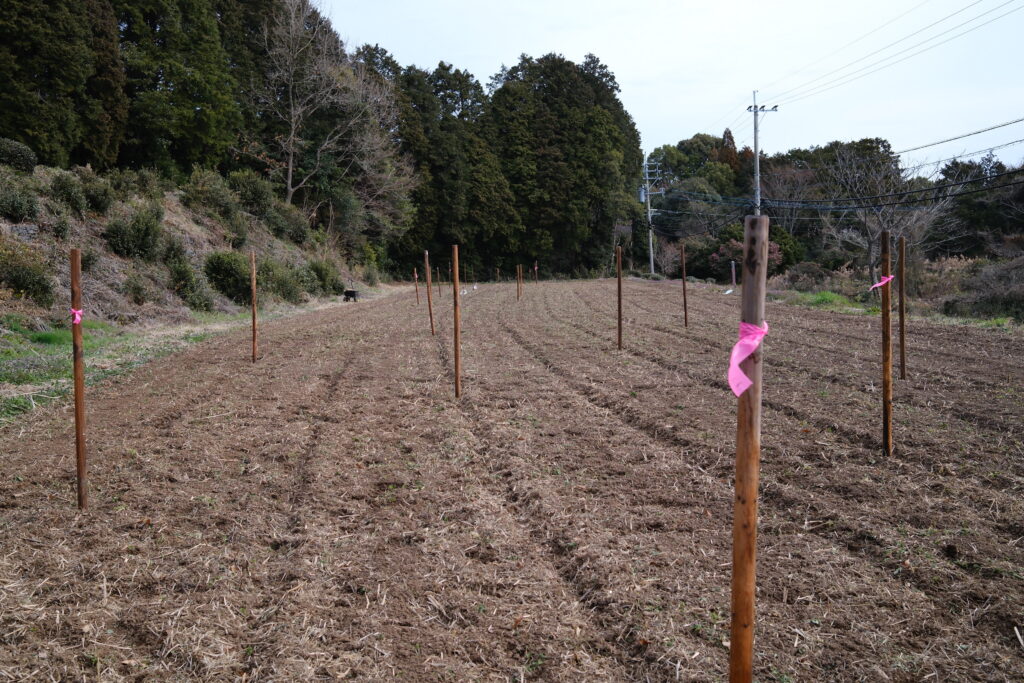
The salon orchard is now in the ground.
For years, I have imagined the land not only as backdrop, but as provider — not simply the setting in which the salon takes place, but an active participant in the life unfolding here. Another step toward making the salon inseparable from the soil beneath it.
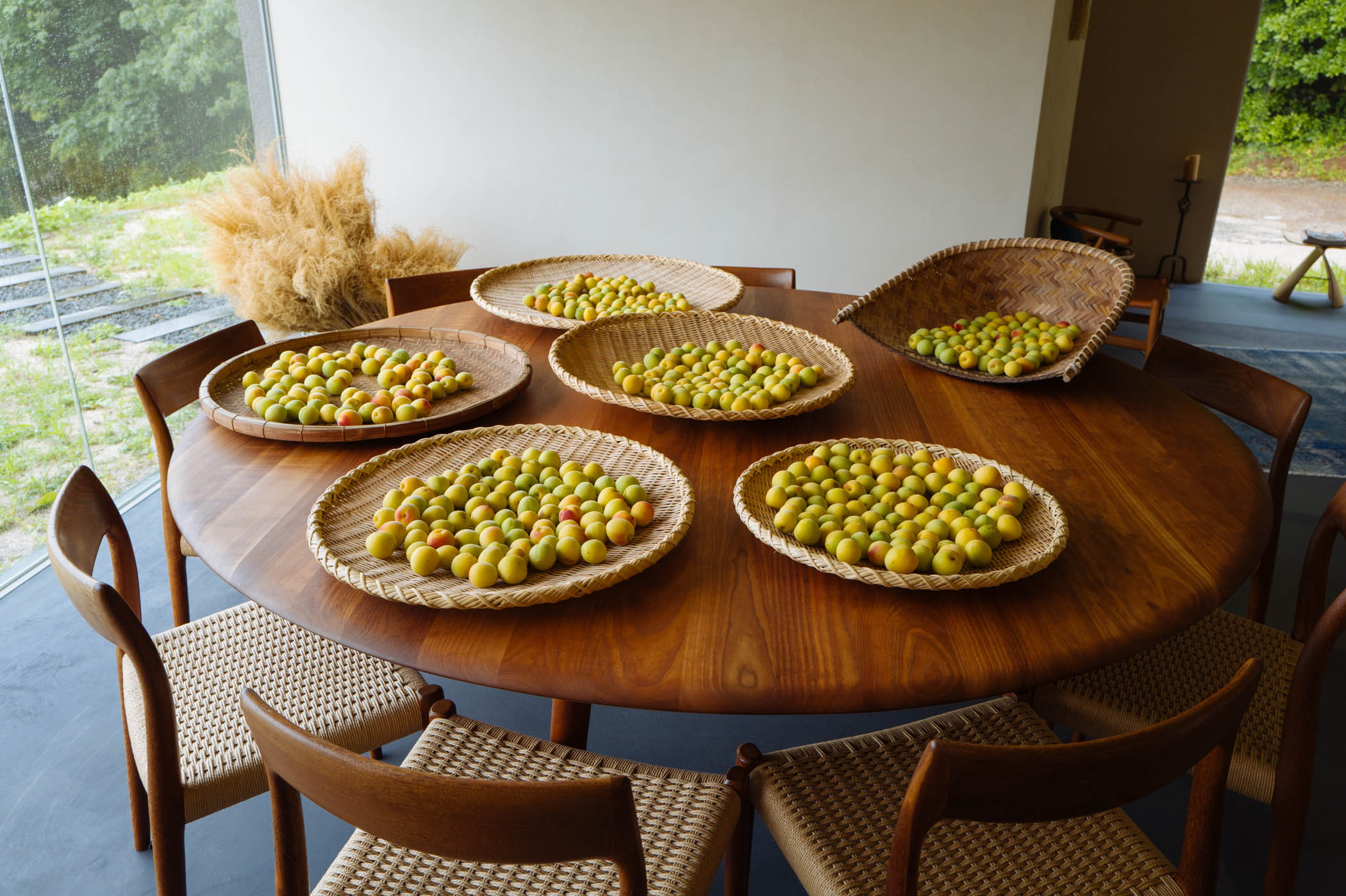
This spring, the first trees began to arrive. Nankou ume for umeboshi. Smaller kotsubu ume for crisp karikari ume. Karin Chinese quince. Native jujube dates, zakuro pomegranate, and horaishi figs. Apollo feijoa. Saijō astringent persimmons for shibugaki, planted alongside sweet Taishū and Fuyu varieties. Japanese mulberry for both leaves and fruit. Xi’an hawthorn. Zuiko yamamomo. Rihei chestnut. Tanaka loquat.

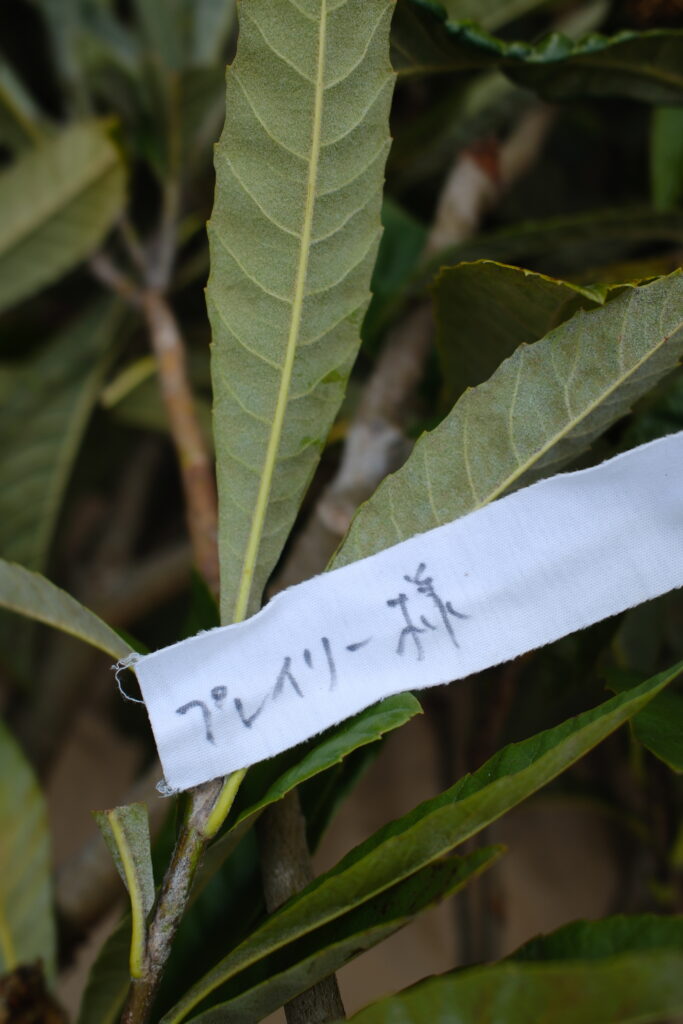
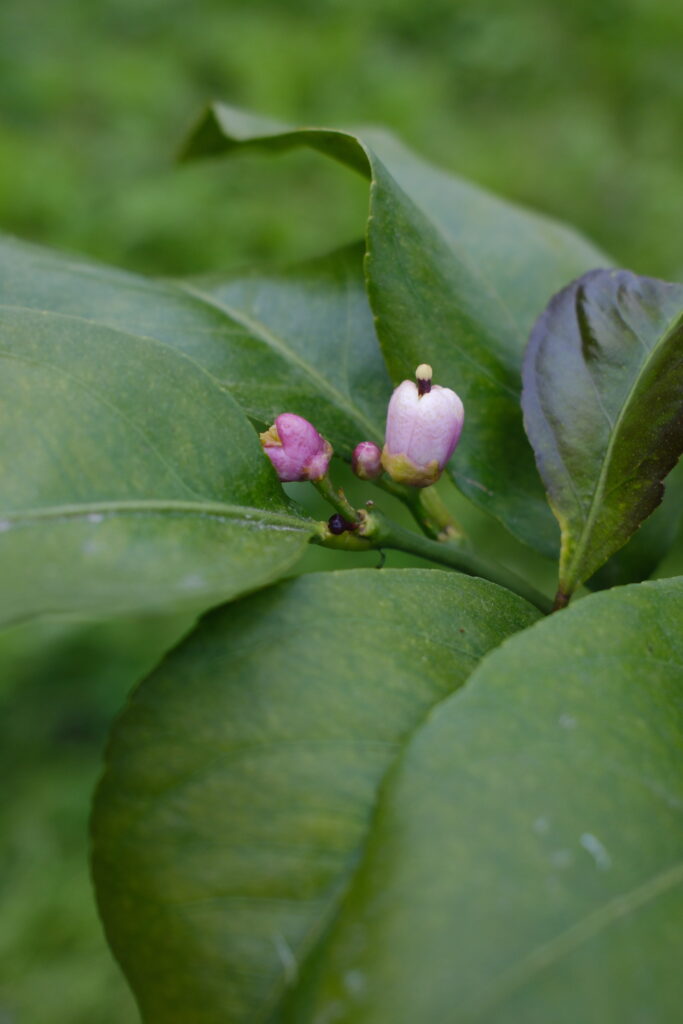
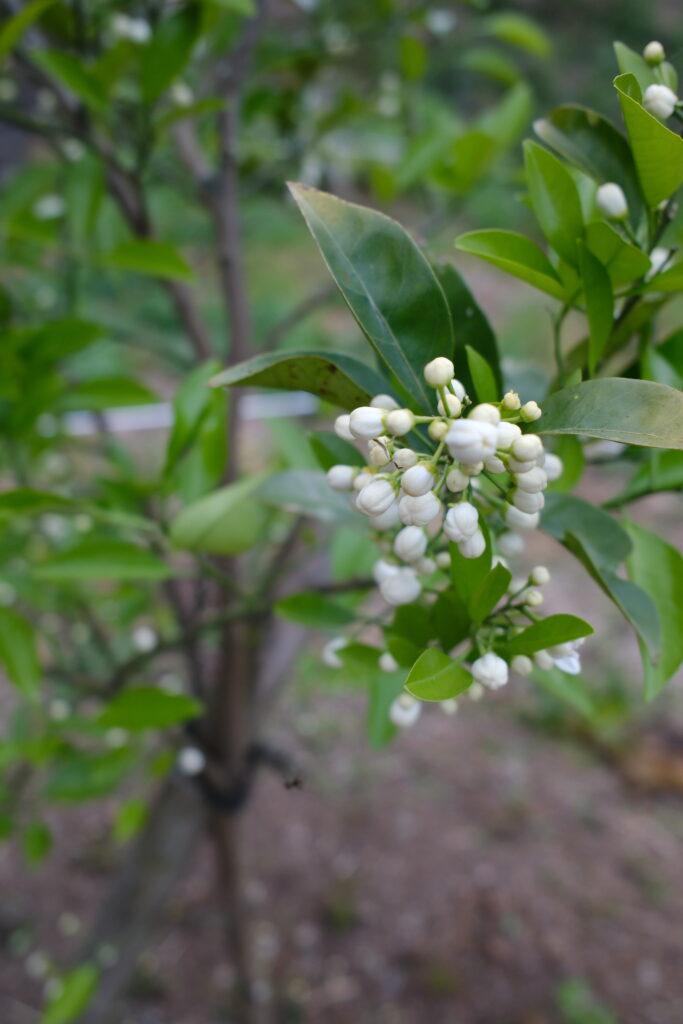
And then came the citrus.
Kumquat. Amanatsu. Pomelo. Genkō. Hon yuzu and Kito yuzu. Eureka and Meyer lemons. Sudachi. Kabosu. Shikuwasa. Buddha’s hand citron.
Alongside them, Hana-zanshō and Asakura sanshō for their fragrant spring growth, and hōba magnolia, whose enormous leaves will one day wrap and perfume food over flame.
Thirty plantings in all.
They arrive already formed — mature enough to bear fruit, their branches shaped by years elsewhere. For now, they are still settling into the hillside, learning the wind and light of this place. Soon, it will be difficult to imagine the land without them.
And yet, something irreversible has begun.


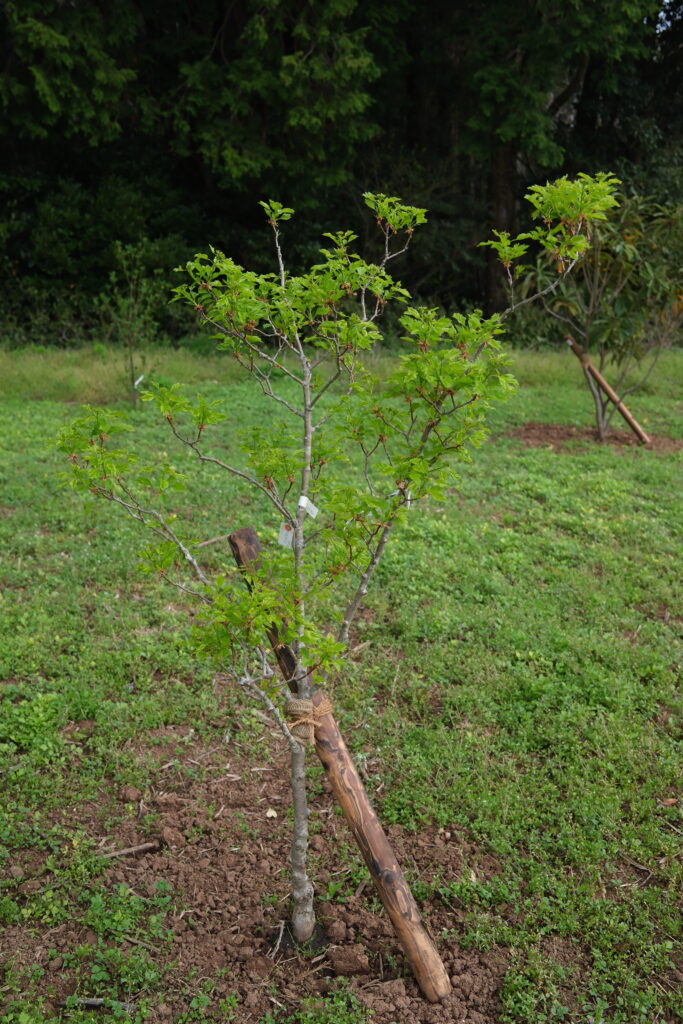
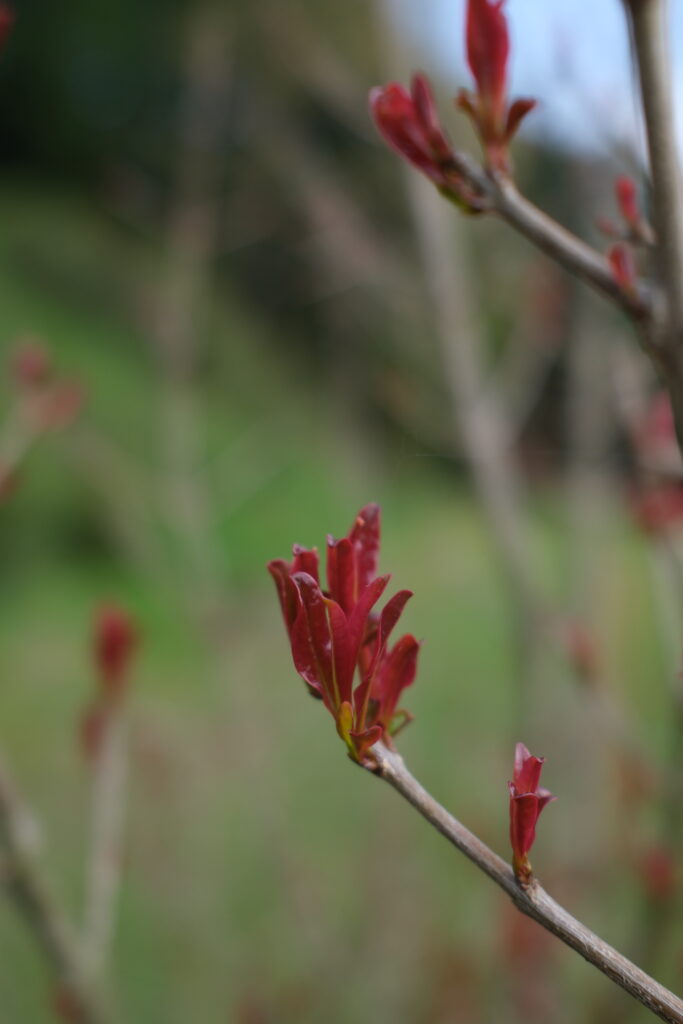
The orchard exists now not as an idea, but as a living thing entering into relationship with this place.
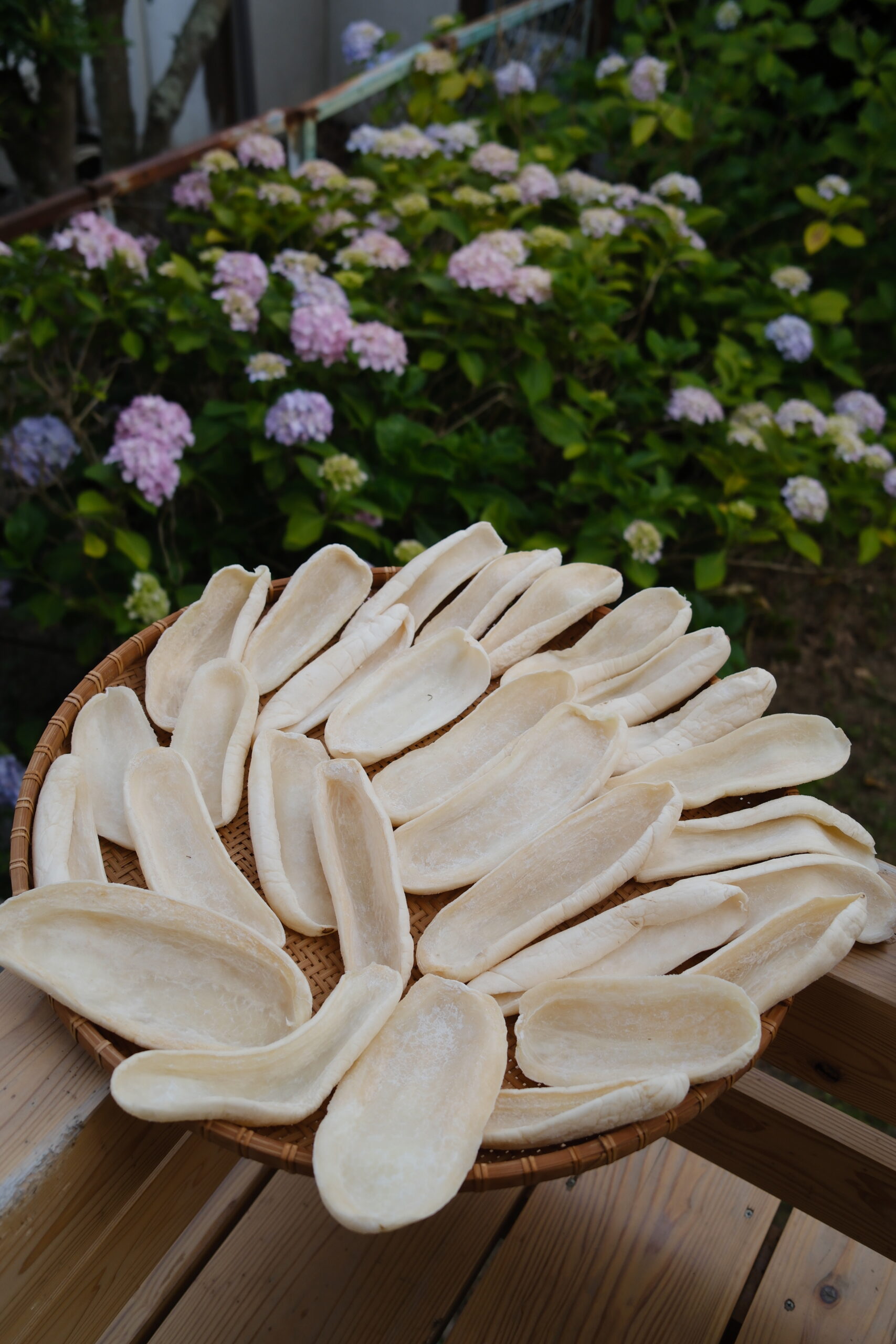
Though here we practice presence, it is difficult not to let the imagination move ahead of the present moment. Persimmons hung to dry, doors left open on fair weather days as cool autumn air moves through the salon. Ume steeping slowly in salt and red shiso. Yuzu fragrance released into winter air as the peel meets a knife. Citrus gathered at the coldest edge of the year when brightness is needed most. Preservation beginning just beyond the salon windows, the distance between land and table narrowing further with each passing season.
For now, though, the work happening is quieter than harvest. Roots taking hold beneath the surface. Their first delicate movement toward permanence.
There is a particular intimacy to planting an orchard at this stage. Not the patience of waiting decades for saplings to mature, but the gentler act of helping something already established settle into new ground. The trees arrive carrying histories of their own — seasons elsewhere, other soils, other hands that tended them. Now, slowly, they begin another chapter here.
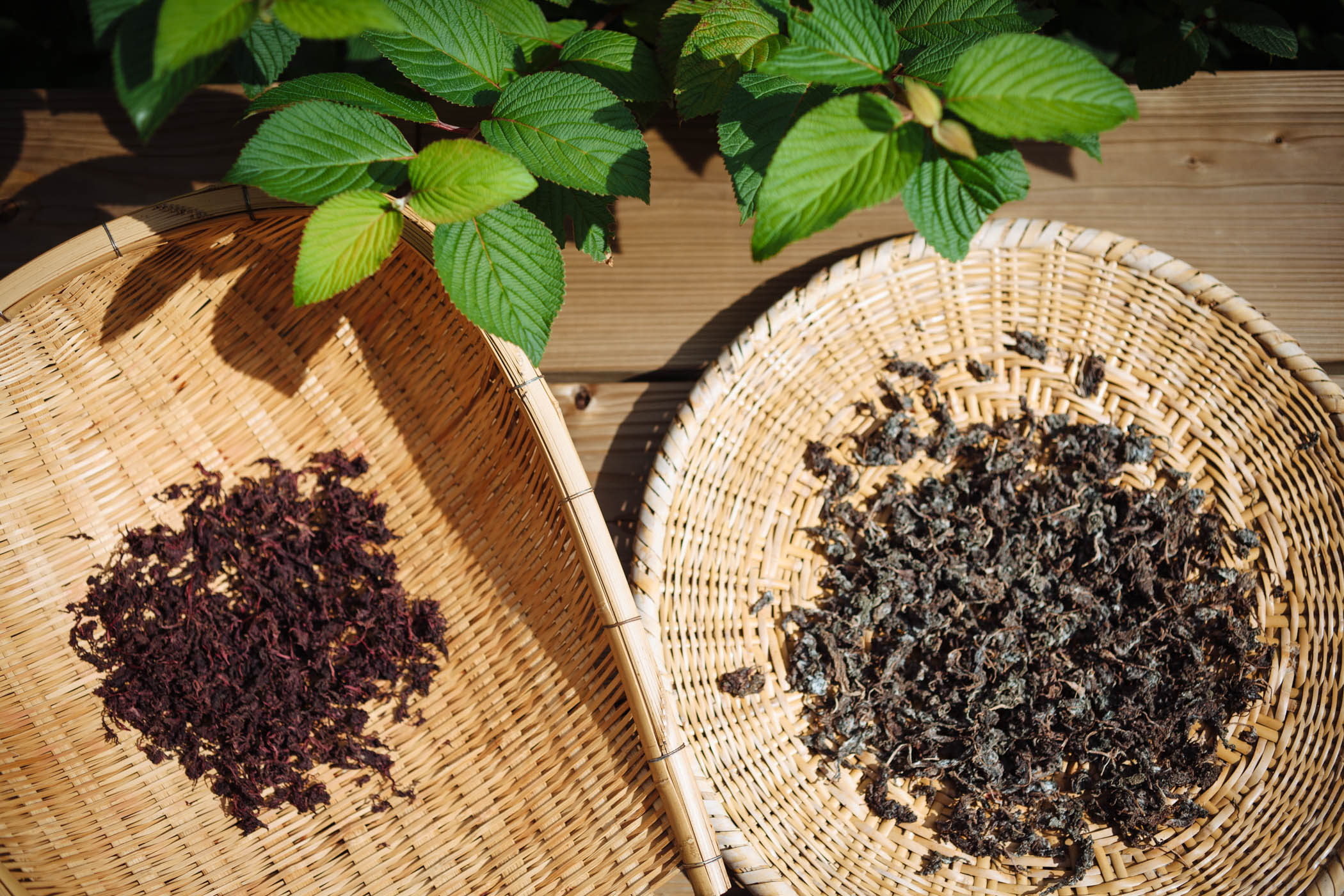
Around them, the tea trees continue their own slow transformation. Pruned carefully for two years now, they are beginning to take shape — their forms tightening, their energy concentrating toward future harvests still just beyond reach.


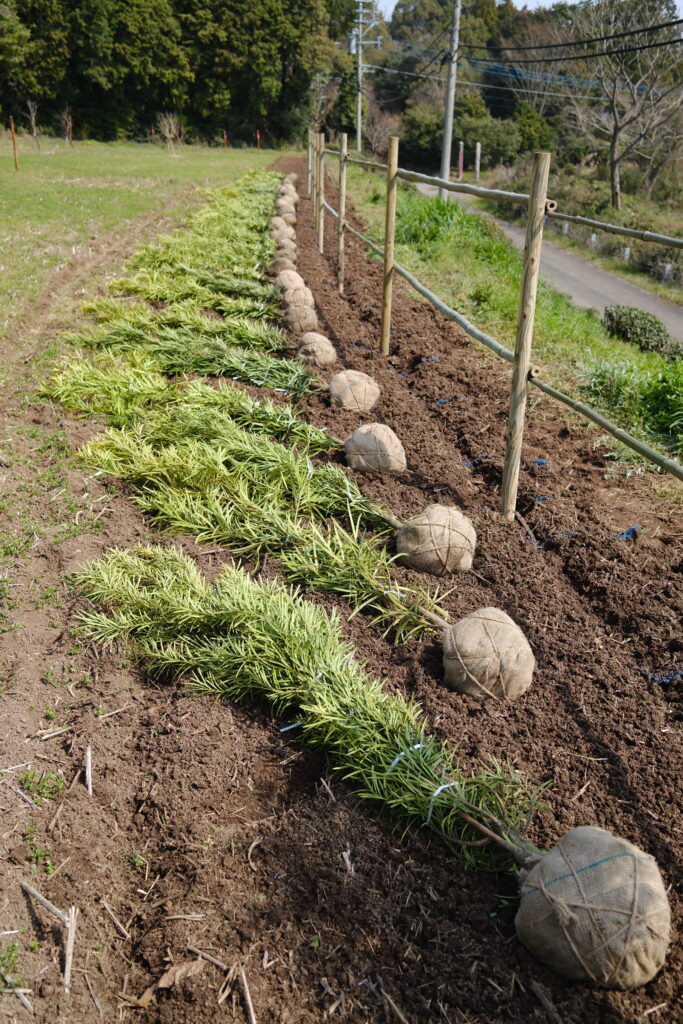
The orchard remains, in many ways, an act of faith.
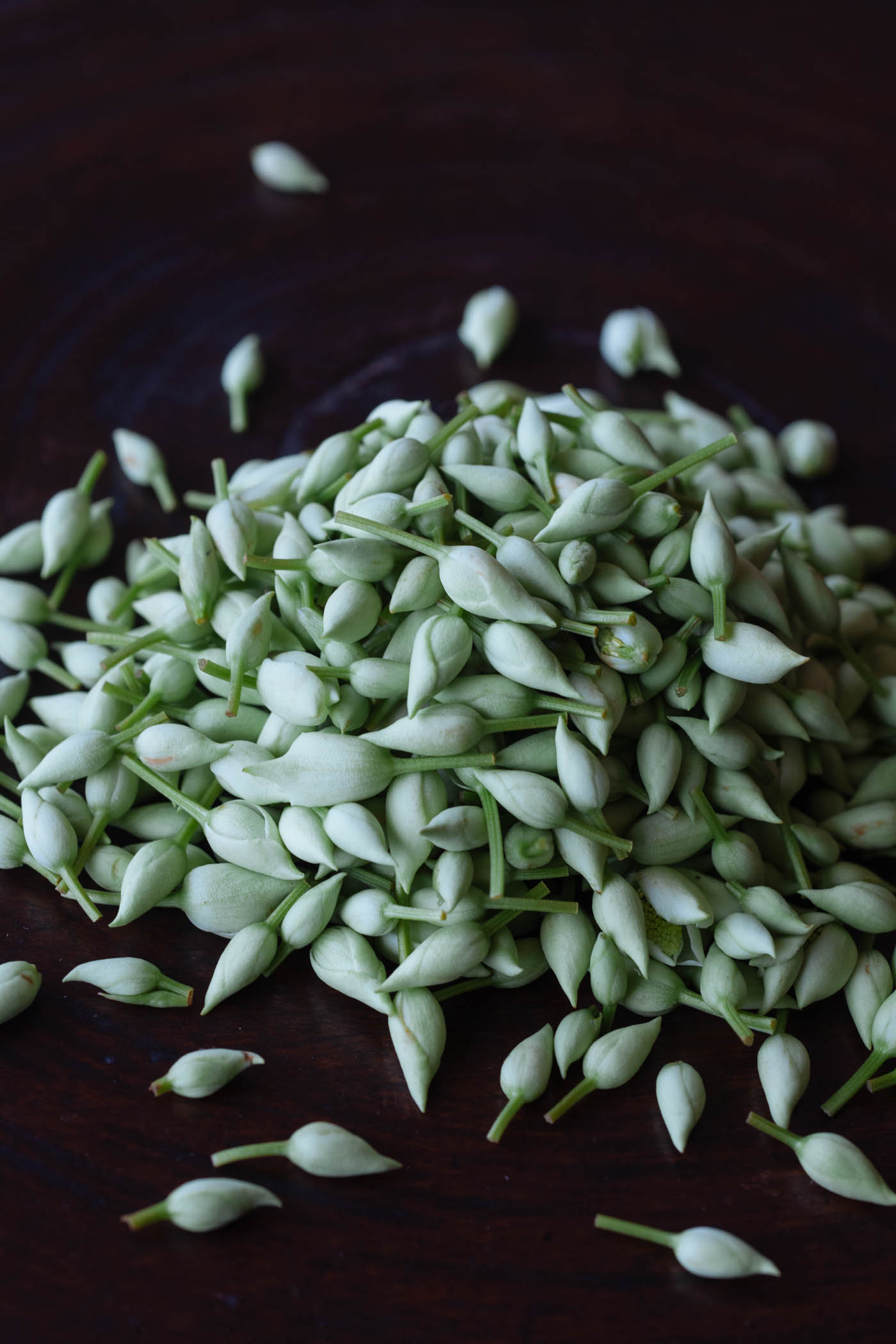
Not in whether it will bear fruit, but in the life that will gather around it. Summer shade falling across the hillside. Blossoms opening beside the salon windows. Guests reaching instinctively toward leaves and fruit as they pass. Preserves lining shelves through winter. The quiet accumulation of seasons made visible through branches, baskets, and jars.
Especially here, where so much of Mirukashi has emerged gradually — not imposed upon the land, but drawn slowly from relationship with it.
The seasons already move visibly across this hillside. Through rain-darkened soil. Through wild greens and tea leaves. Through blossoms opening and falling.
Now, they will move through the orchard as well.