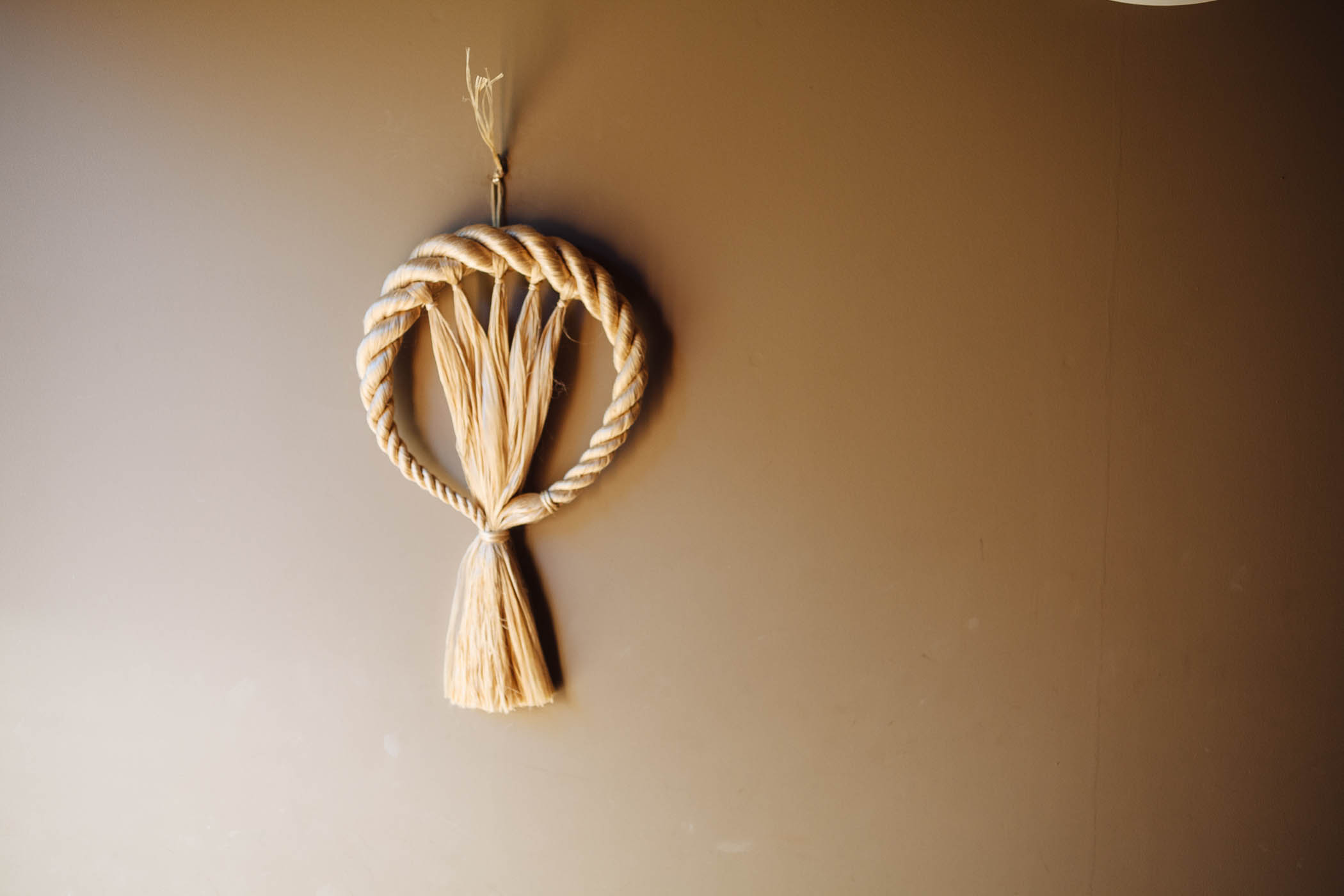
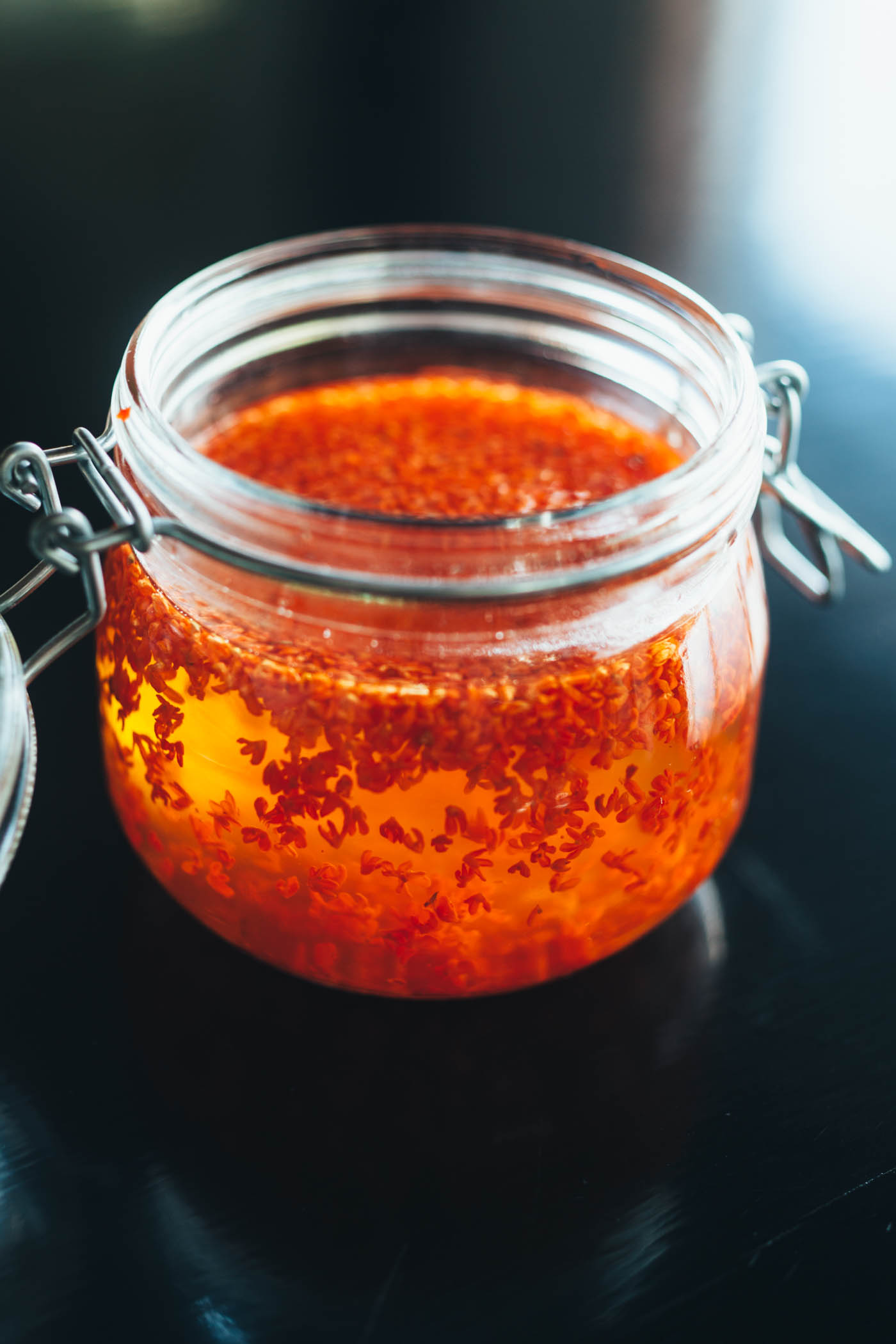
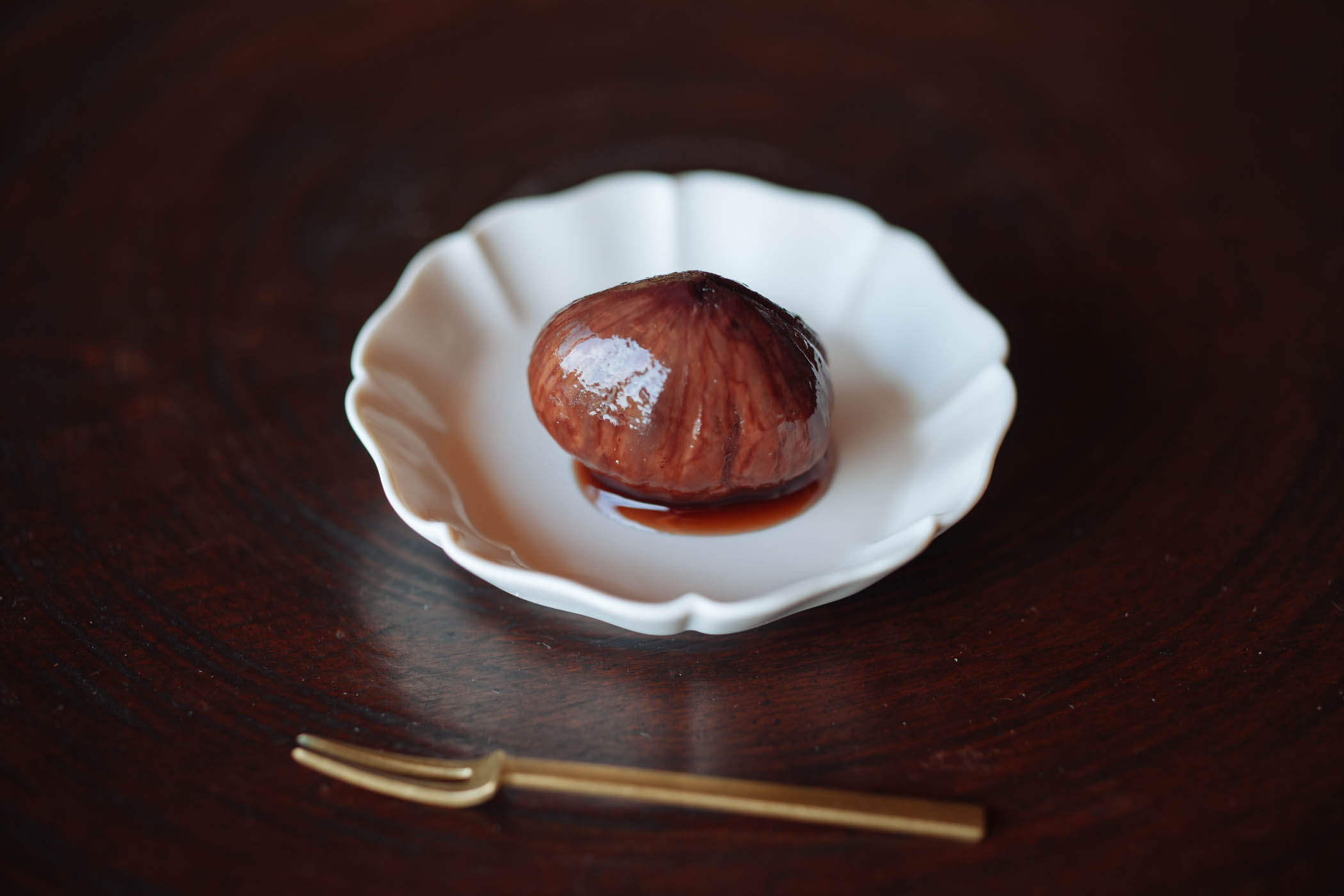
As long as we’ve kept track of time, the turning of the year has called us to ritual — cleansing, protection, and renewal. It is an ancient threshold. In Japan, the new year arrives dressed in intention: twisted ropes of hemp fiber are hung at entryways to purify the home. Inside, rice, bamboo, and evergreen boughs are arranged with care, each element a prayer for abundance, each symbol rooted in the rhythms of field and season. On the mantle, one figurine replaces another — the old year bows, the new one takes its place, carried in on the back of the Chinese zodiac.
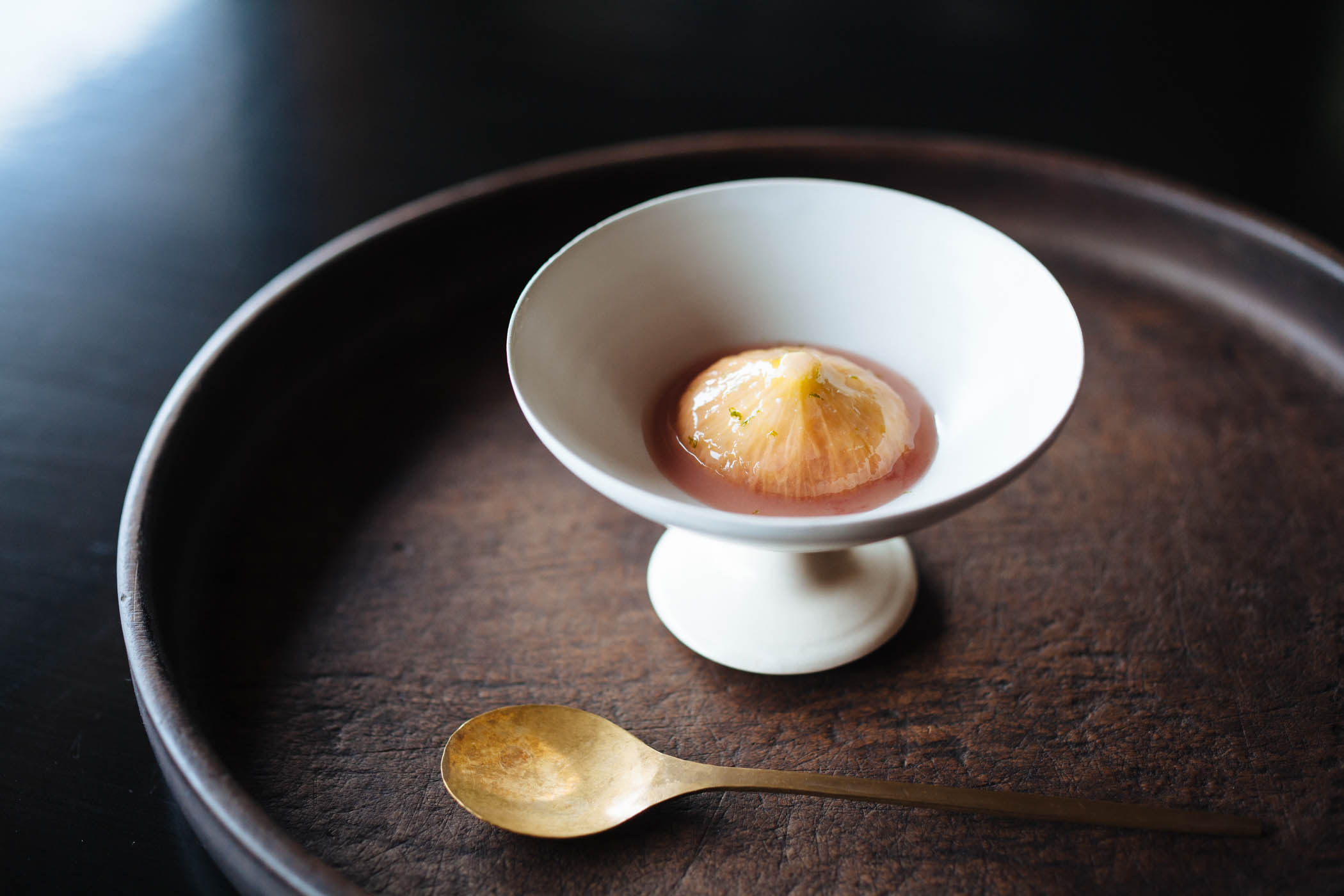
In our home, we place offerings at the altar: rounds of mochi — ours crafted from clay — topped with a small sudachi citrus from our garden. Flanked by salt, sake, and incense, they are gestures of hope, protection, and grace. A quiet pact with the divine.

The final hours of the fading year are a fevered devotion. In the kitchens of ancestral homes, hands fly. Osechi — the New Year’s meal — must be prepared before the old year exhales its last breath. This is not a meal for indulgence. It is incantation. As deeply as I have explored Japan’s culinary traditions, I have never fully entered the sacred realm of osechi. It belonged to Kuniko and my sisters-in-law — guardians of this ancient feast.
Osechi is an oblation, a gift to the gods, a thanksgiving to the earth. Every dish speaks, shaped by the sun, the sweat, the soil, the unseen forces that call crops forth from the ground. Every bite holds meaning. The meal, one long incantation — an edible recitation of prayers. Each offering an epicurean parable passed through generations. A tiger prawn, curled in age and adorned with sweeping antennae, embodies longevity. Tazukuri — dried sardines once used to fertilize rice fields — call in abundance and reward for one’s labor. With each bite and sip of sake, we taste the collective memory of a culture.

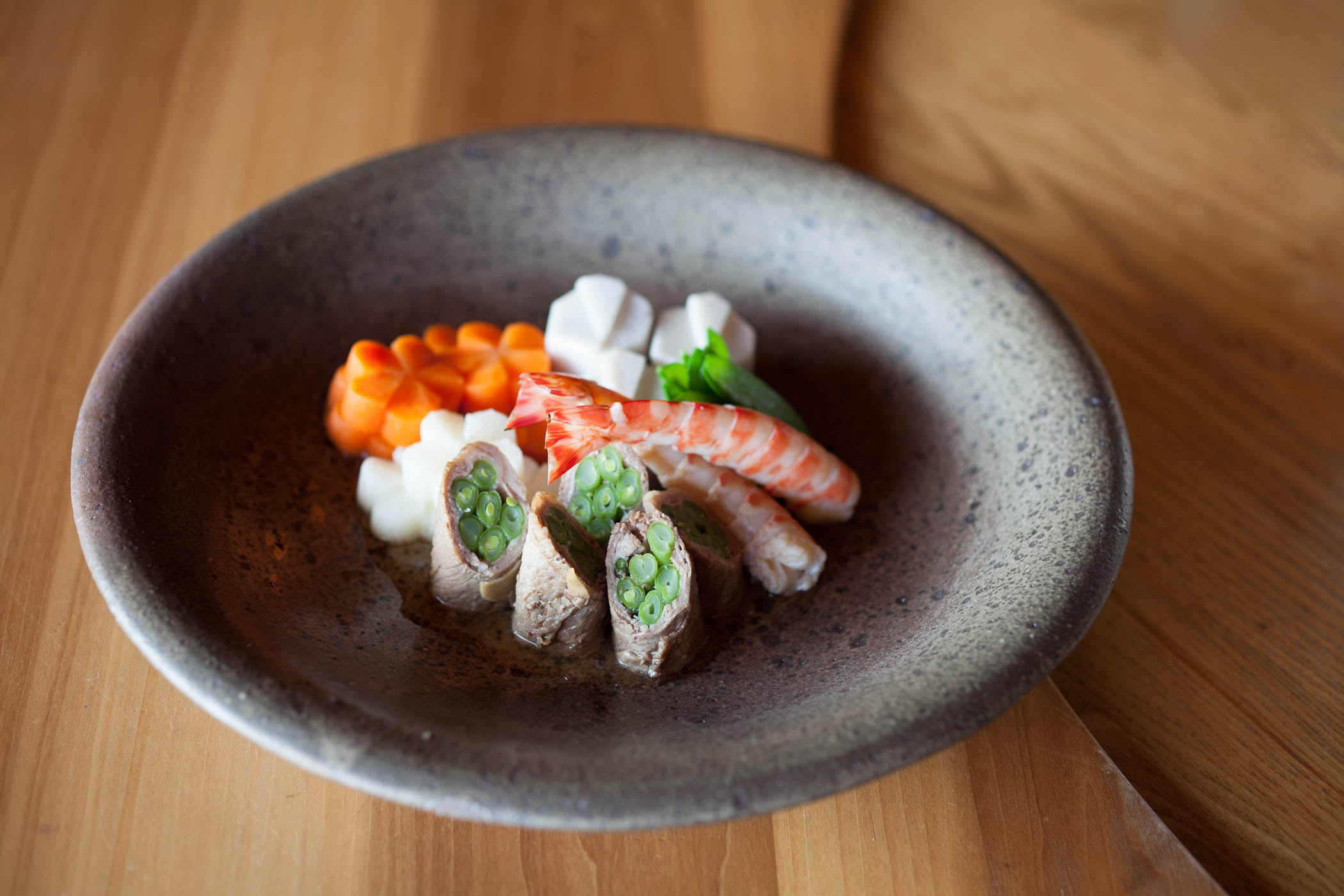
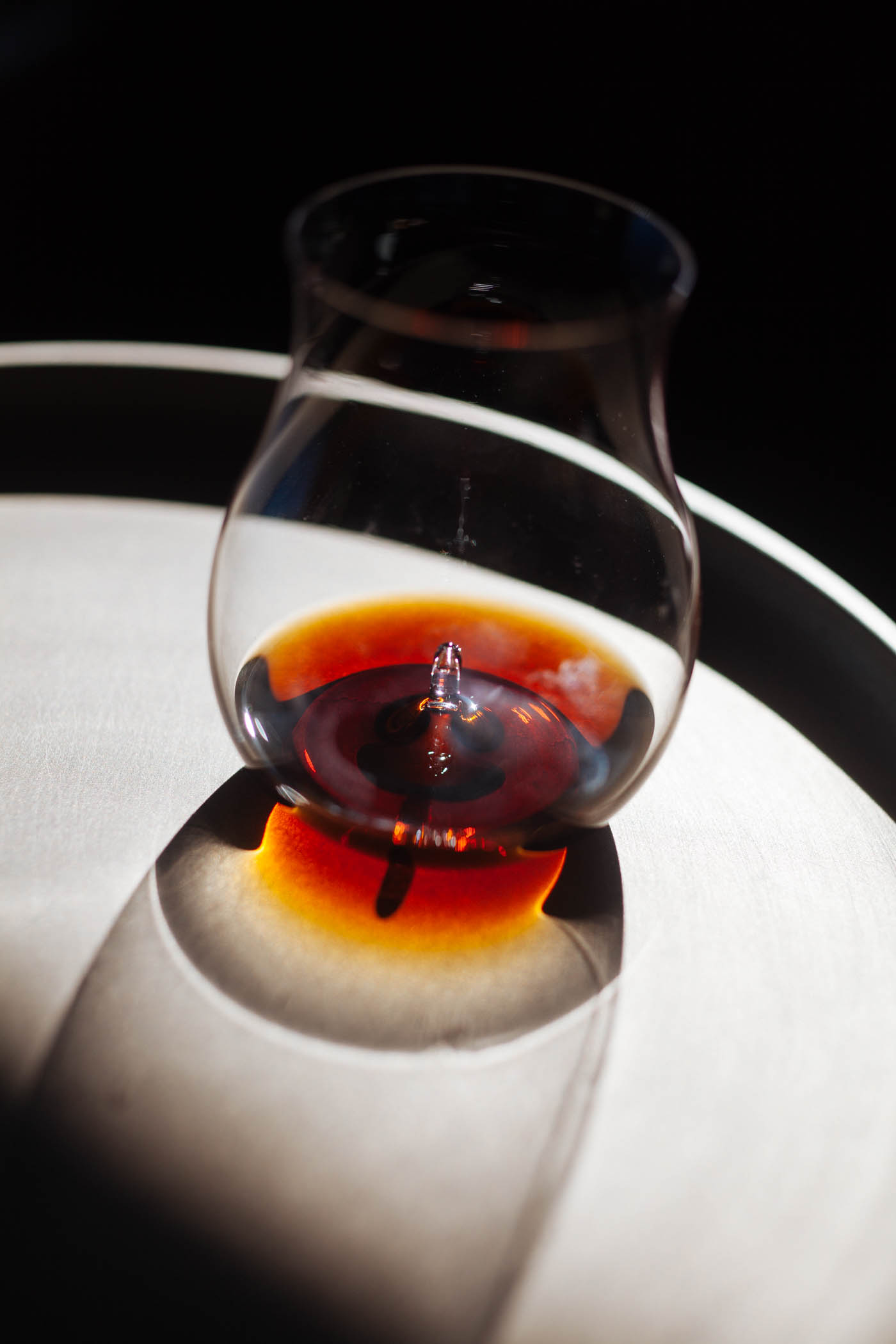
Today in Mirukashi, we are tethered more lightly to tradition — but still tethered. We honor the spirit of the day with celebratory tai sashimi, sweetened black beans darkened with an iron nail, and effervescent sake to open the senses. But we are a family woven from many threads, with rituals that stretch beyond a single land. And so, beside these ancient emblems, we warm Mont d’Or on the wood stove, spread pork rillettes onto slices of homemade bread, set out olives, and toast with champagne. The sacred and the sensual. The old and the deliciously new.
Setting the table becomes its own ceremony. I reach for a box pulled from the freezer, run cold water over bamboo chopsticks — slender, delicate, hand-cut by one of the first artisans I met in Japan. A gift I receive each year. They stop me. Every time. A moment of awe. A soft gasp. A recognition. That even in those early years — when I was still finding my footing, still orienting myself to this unexpected life — I was already walking the path that led me here.
A deep and vibrant emerald green, the chopsticks shimmer. They are the first tools of the year, and they bring the first flavors to my lips. A symbol of new beginnings.
With a spirit beholden to the past and a heart hopeful for what’s to come, we eat, we drink, and we greet this good New Year with gratitude, devotion, and celebration.